Alexander Calder: Performing Sculpture at Tate Modern
11 November 2015 – 3 April 2016
Calder travelled to Paris in the 1920s, having originally trained as an engineer, and by 1931 he had invented the mobile, a term coined by Duchamp to describe Calder’s sculptures which moved of their own accord. His dynamic works brought to life the avant-garde’s fascination with movement, and brought sculpture into the fourth dimension.
Continuing Tate Modern’s acclaimed reassessments of key figures in modernism,Alexander Calder: Performing Sculpture will reveal how motion, performance and theatricality underpinned his practice. It will bring together major works from museums around the world, as well as showcasing his collaborative projects in the fields of film, theatre, music and dance.
About author

You might also like
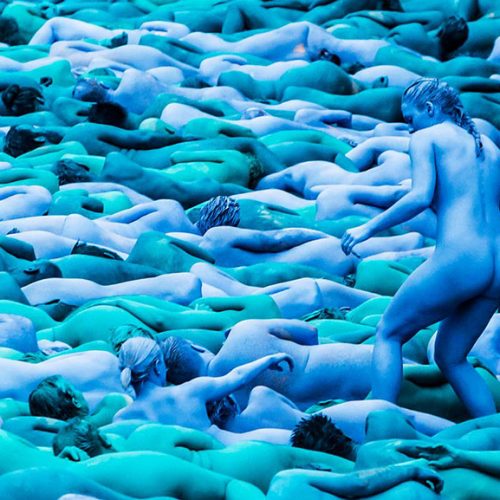
Spencer Tunick New Work in Hull
http://www.widewalls.ch/spencer-tunick-hull/ Posing in locations that reflected Hull’s maritime history, there some 3,200 of its citizens, who wore nothing but a layer of blue paint. Entitled Sea of Hull, the event welcomed voluntary participants

Doug Aitken: Electric Earth – The Museum of Contemporary Art Los Angeles
ON VIEW SEPT 10, 2016 – JAN 15, 2017 http://www.moca.org/ For more than 20 years, Doug Aitken has shifted the perception and location of images and narratives. His multichannel video


The Most Dangerous Game – The Situationist International en route for May ’68 2018, Sep 27, Thu — 2018, Dec 10, Mon
The Most Dangerous Game – The Situationist International en route for May ’68 2018, Sep 27, Thu — 2018, Dec 10, Mon https://www.hkw.de/en/programm/projekte/2018/the_most_dangerous_game/the_most_dangerous_game_start.php Between 1957 and 1972, the Situationist International (S.I.)


HARUN FAROCKI – BETWEEN TWO WARS


[instagram-feed type=user]